Specialist Surgery Services and Rehabilitation
Our Services
-
Soft Tissue Surgery
Surgical oncology (maxillofacial, cutaneous, intra-thoracic, intra-abdominal)
Intra-thoracic surgery (e.g., patent ductus arteriosus and vascular ring anomaly)
Intra-abdominal surgeries (hepatic, gastrointestinal, colorectal, urogenital, various hernia repair) and skin/muscle reconstructive surgeries
Laryngeal arytenoid lateralisation for laryngeal paralysis, brachycephalic obstructive airway syndrome corrective surgeries.
Orthopaedic surgery
Joint disease (arthroscopy and cruciate disease, patellar luxation, joint luxation)
Fracture repair and angular limb deformity using internal stabilisation (plate osteosynthesis, interlocking nail) and external skeletal fixators (linear, hybrid, circular)
Spinal surgery
Decompressive surgery for intervertebral disk disease (Cervical hemilaminectomiy, ventral slot, thoracolumbar hemilaminectomy, corpectomy, dorsal laminectomy +/- stabilisation
Neoplasia, subarachnoid diverticulum, vertebral fracture and stabilisation/fusion
-
Musculoskeletal ultrasound
Lameness evaluation and localisation of lesion
Intra-articular block for lameness localisation
Nonsurgical treatment of musculoskeletal disease
Intra-lesional and intra-articular injection of PRP, iPAAG, cortisone
Shockwave Therapy
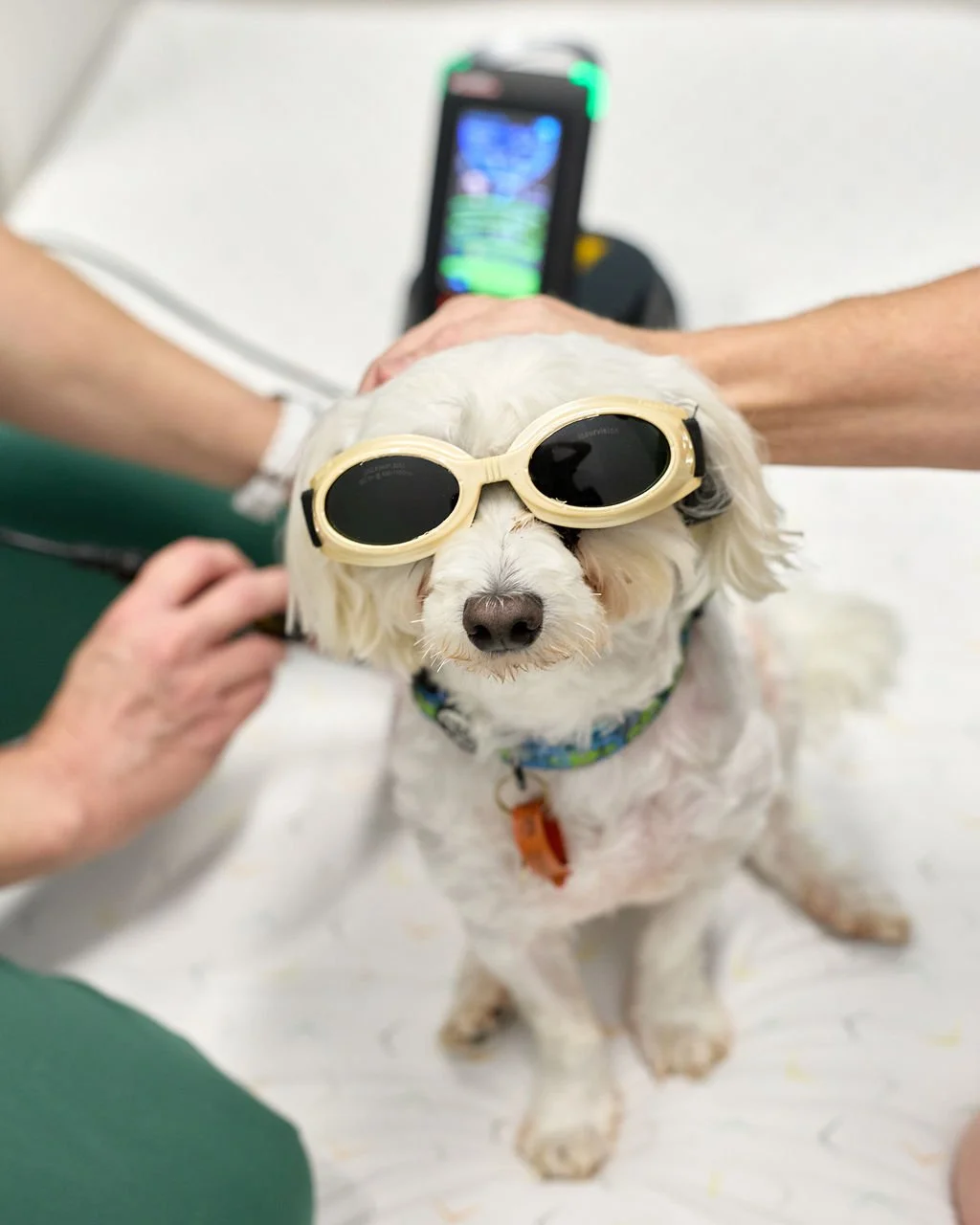
Class IV laser (photobiomodulation) therapy
Certified canine rehabilitation practitioner/therapist on site
In hospital complementary rehabilitation for all surgical patients
Geriatric and osteoarthritic problem
-
Residency-trained anaesthetist consultation in conjunction with surgery and sports medicine input
Patients with liver/kidney compromise that can’t have NSAIDs
Patients with NSAIDs that do not respond well
Geriatric patients
Osteoarthritis
NSAIDs is an excellent drug, but there are contraindications or long-term adverse effect. Occasionally it is not enough to control pain and maintain quality of life. We offer multimodal medical approach and aid of shockwave and laser therapies and pain clinic
Our Facilities
Diagnostic
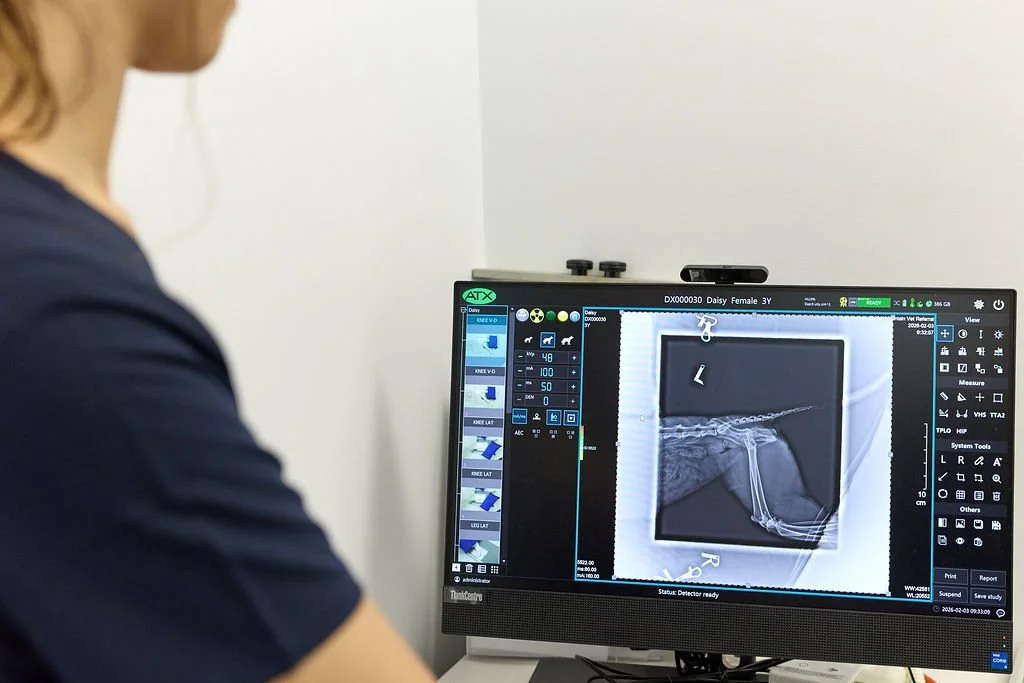
DR X-Ray
High resolution digital panel
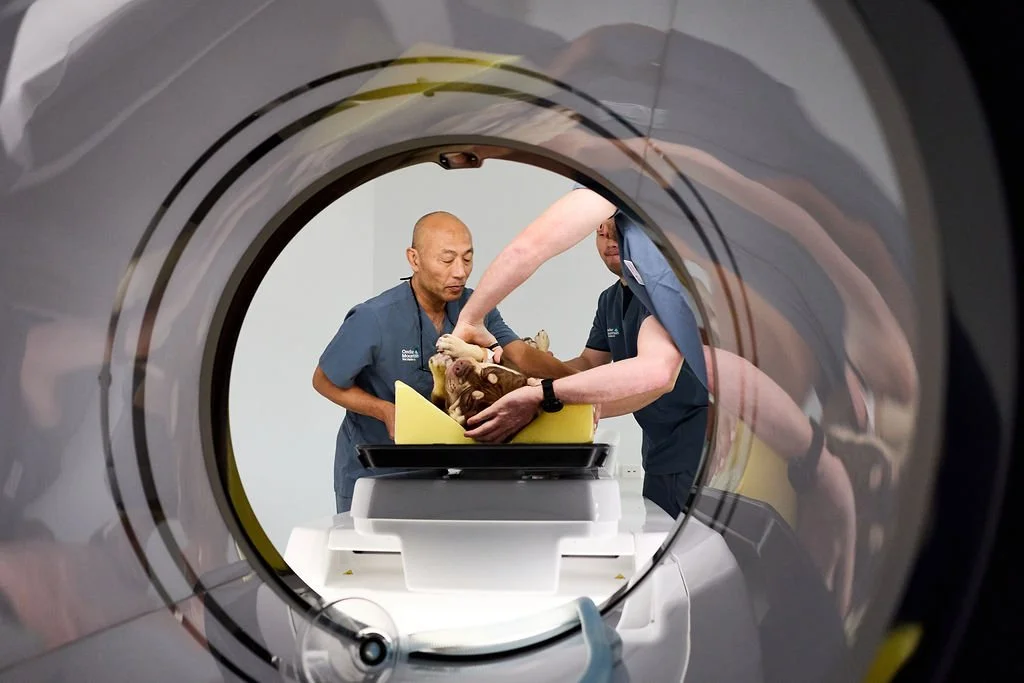
Cone Beam Computed Tomography (CBCT)
Superior bone visualisation, compared to conventional CT scan
Excellent in complex joints: maxillofacial fracture, elbow, carpal, and tarsal joints
More sensitive in bone fracture/fissure, compared to conventional CT scan
Dual energy technology to improve soft tissue contrast
Fluoroscopy
Orthoscan Mini-fluoroscopy in theatre
Arthroscopy
1.9mm arthroscopy system
Musculoskeletal Ultrasound
Assessment of tendon/ligament
Precision intra-articular injections
Articular block for lameness evaluation
Surgery
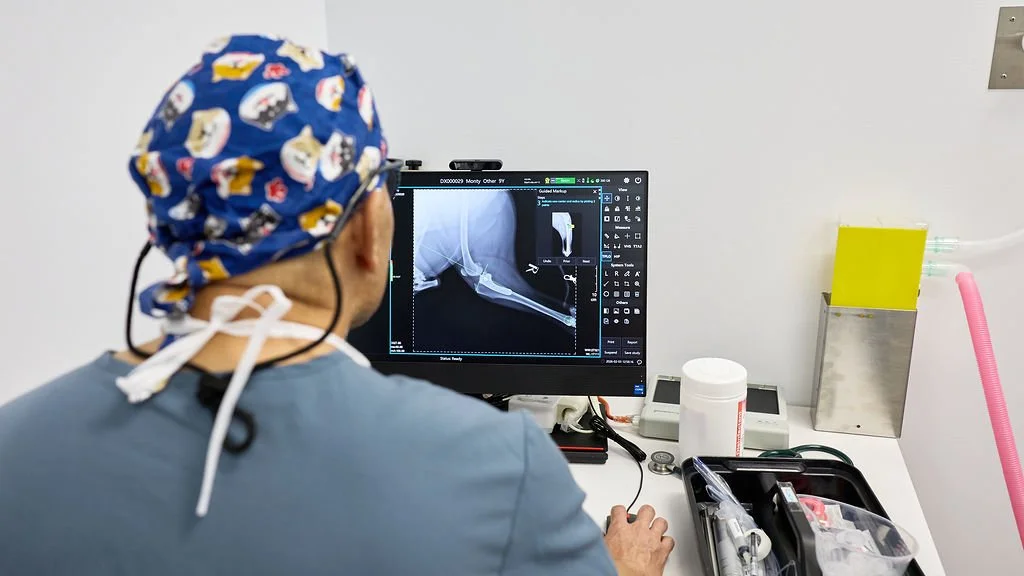
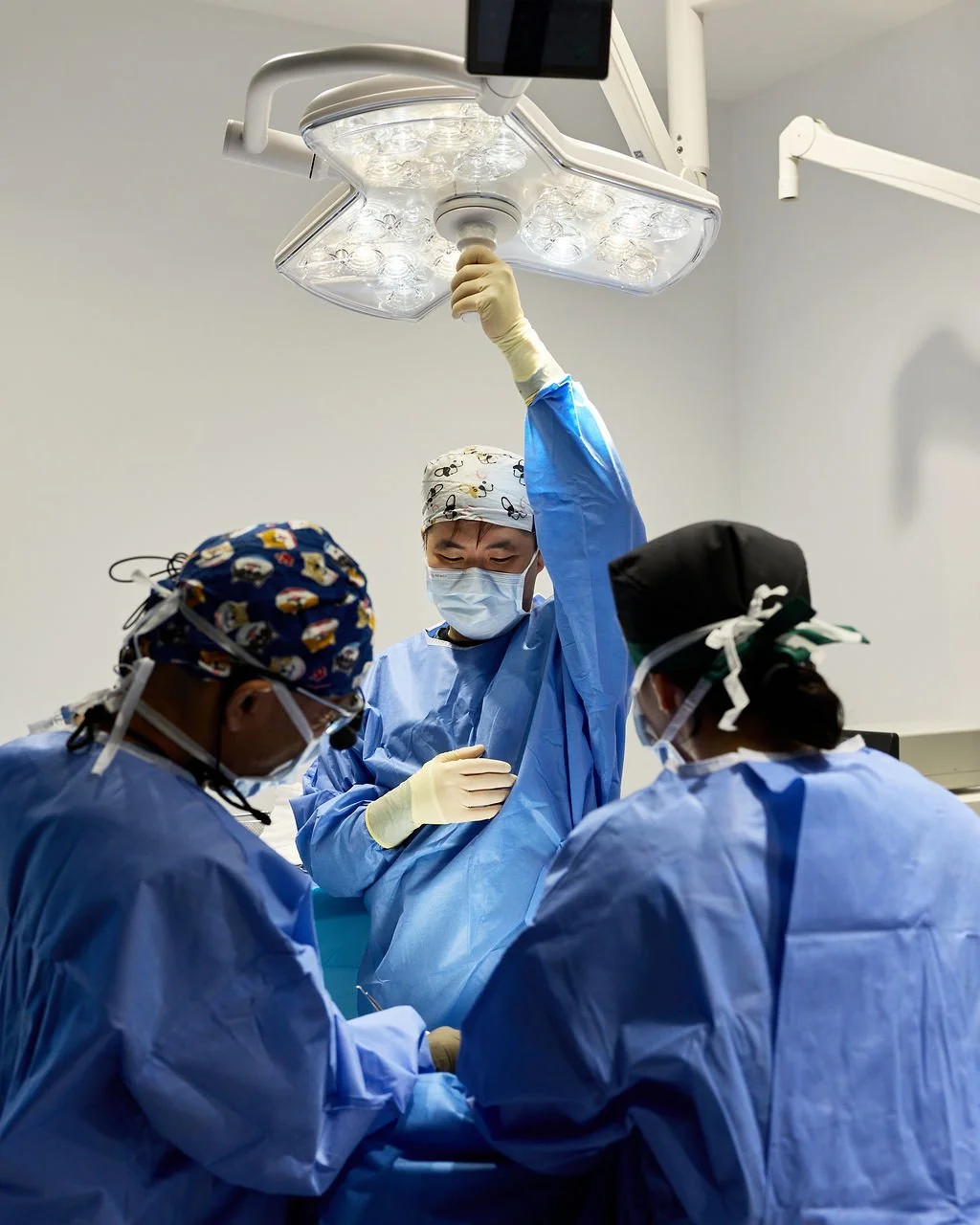
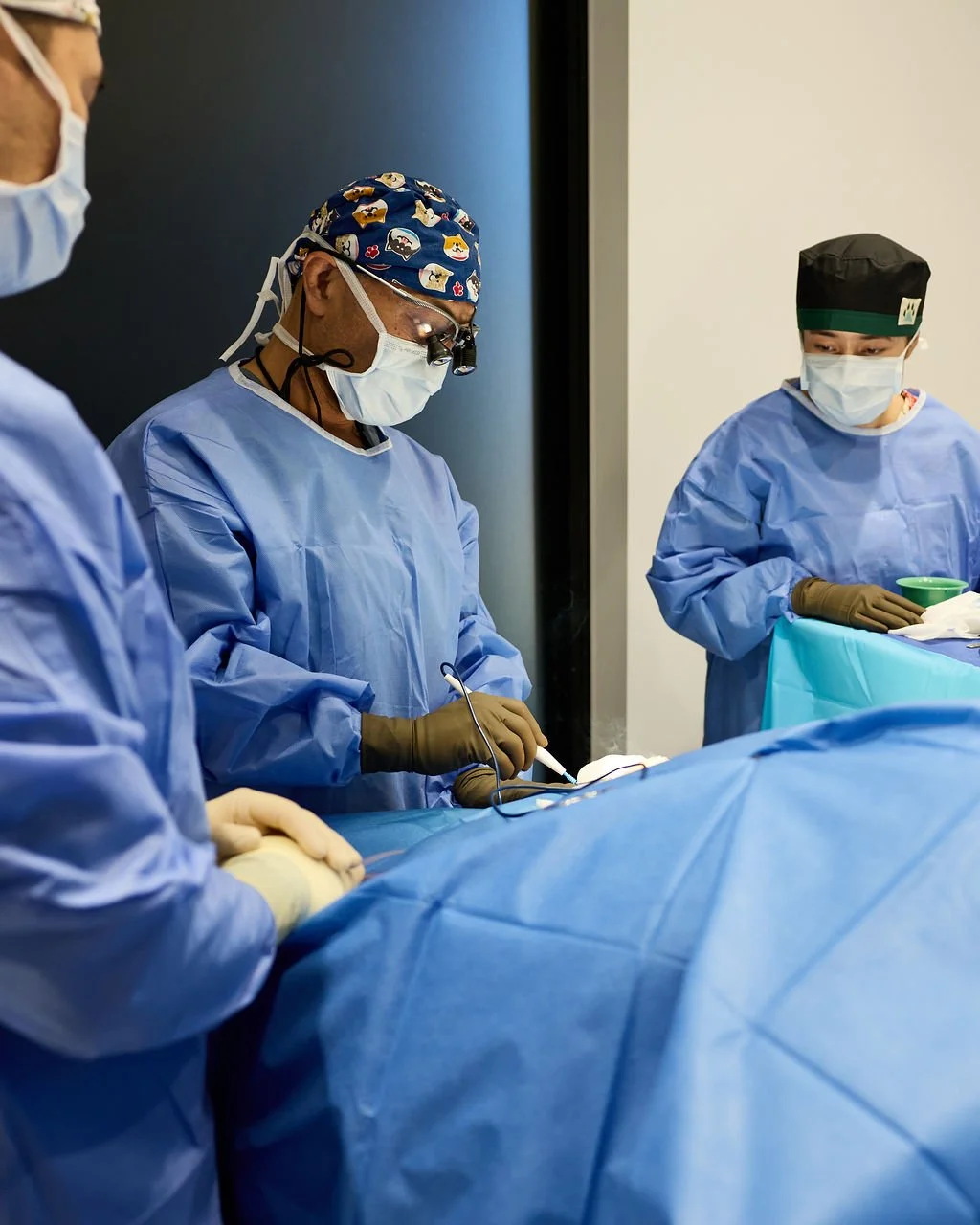
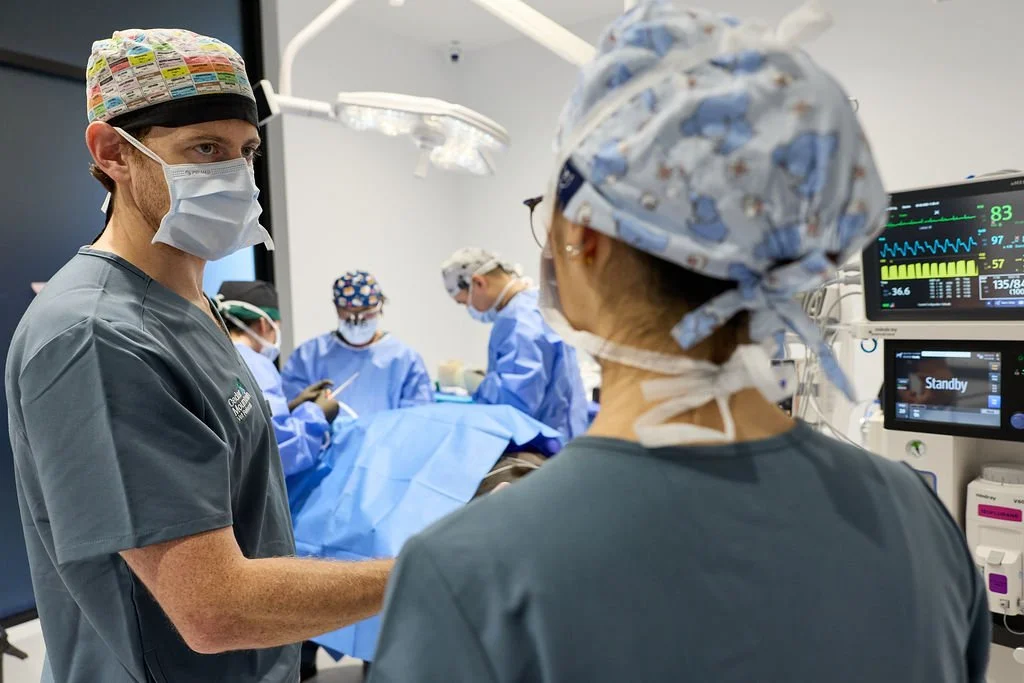
Two separate State-of-Art theatres, each is dedicated to soft tissue and orthopaedic procedures
Supported by intraoperative fluoroscopy and arthroscopy
Latest equipment, including bipolar sealing device, GIA and TA staplers, full range of orthopaedic tools (plating, ESF, ILN, E-pen)
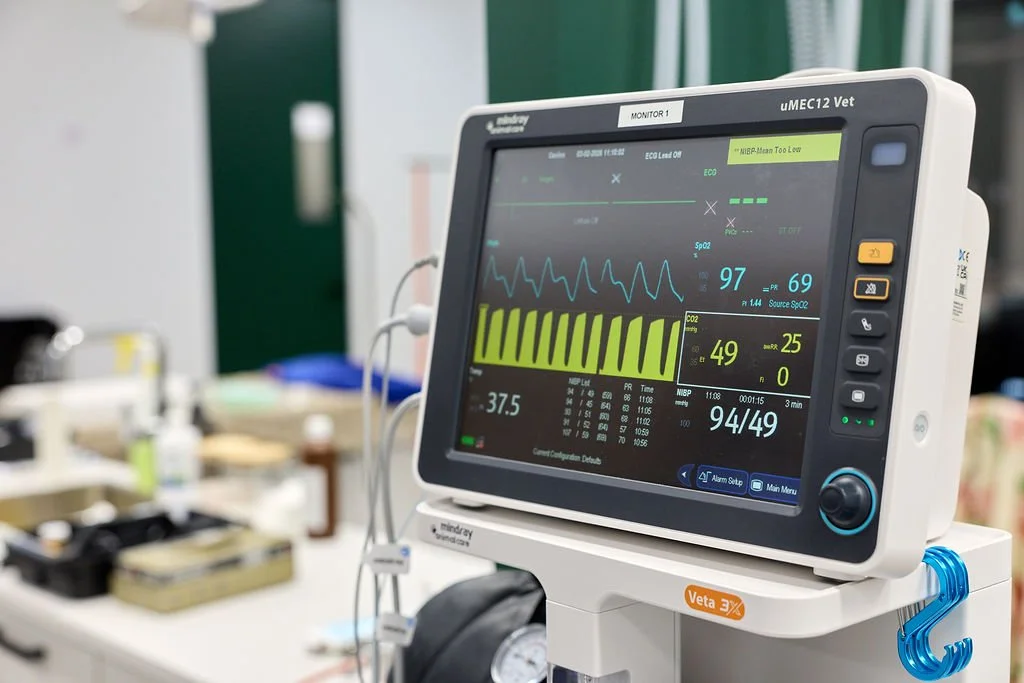
Rehabilitation and Sports Medicine
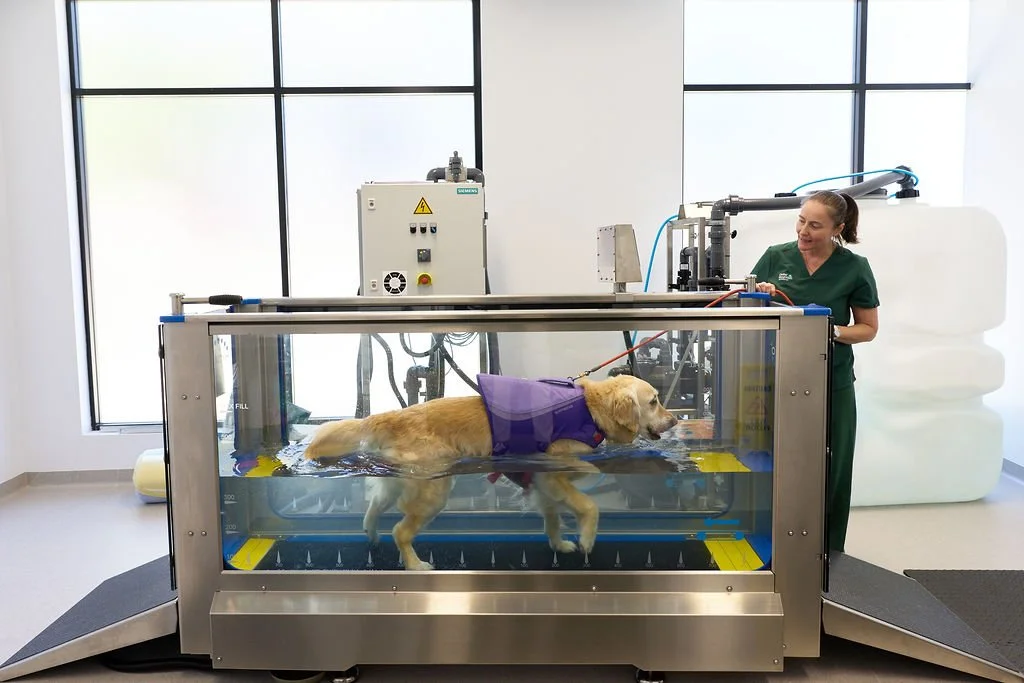
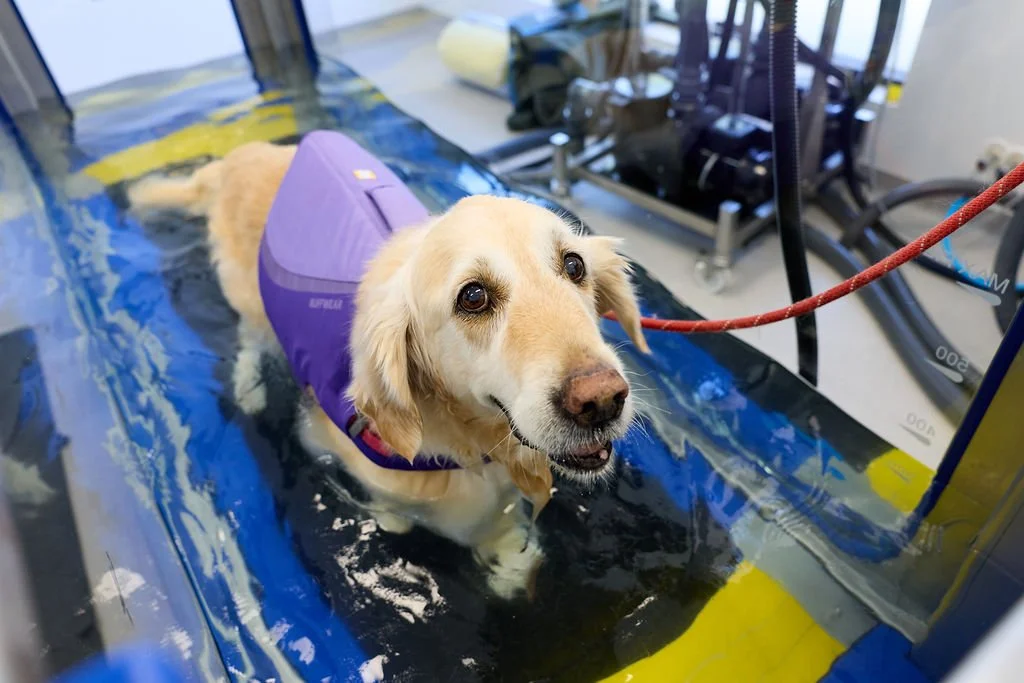
Underwater Treadmill
Intra-articular injection: Platelet-Rich Plasma (PRP), cortisone, and iPAAG
Extracorporeal Shockwave Therapy
Class IV photobiomodulation (laser) therapy
TES/NMES
PEMF
Fully equipped gym
Dr Taka is not only a specialist surgeon but also a certified canine rehabilitation therapist (CCRT) through Canine Rehabilitation Institute (CRI) in the United States by examination. At Cedar Mountain Vet Referral, we are fully equipped with rehabilitation modalities. We are also capable of lameness examination, diagnostics and regenerative medicine.
Various modalities of regenerative/sports medicine and rehabilitation are available at Cedar mountain Vet Referral, such as Platelet Rich Plasma (PRP), extracorporeal shockwave therapy (ESWT), Class IV photomodulation therapy (LASER), underwater treadmill, and manual therapy and gym on site.
Extracorporeal shockwave therapy:
The shockwave machine produces focused, single-pressure pulses of high-energy acoustic sound waves, microseconds in duration, to stimulate healing. Shockwave produces1450 -14,500psi (the pressure under the deep sea) in a small trode. Shockwaves directly stimulate production of growth factors, angiogenesis, anti-inflammatory effect, and increased cell metabolism, disintegration of mineralization, and pain relief. Shockwaves reach deeper tissues than laser and they are effective with less frequent use compared to laser. Combination of shockwave with laser is known to have a synergic effect, and therefore we intend to use both modalities simultaneously.
Shockwave therapy is indicated for musculotendinous disease and nonhealing skin wounds. It has been validated that is shockwave is indicated for tendinopathy (e.g., Achilles tendon problem, shoulder rotator cuff muscle tendinopathy (biceps and supraspinatus tendinopathy).
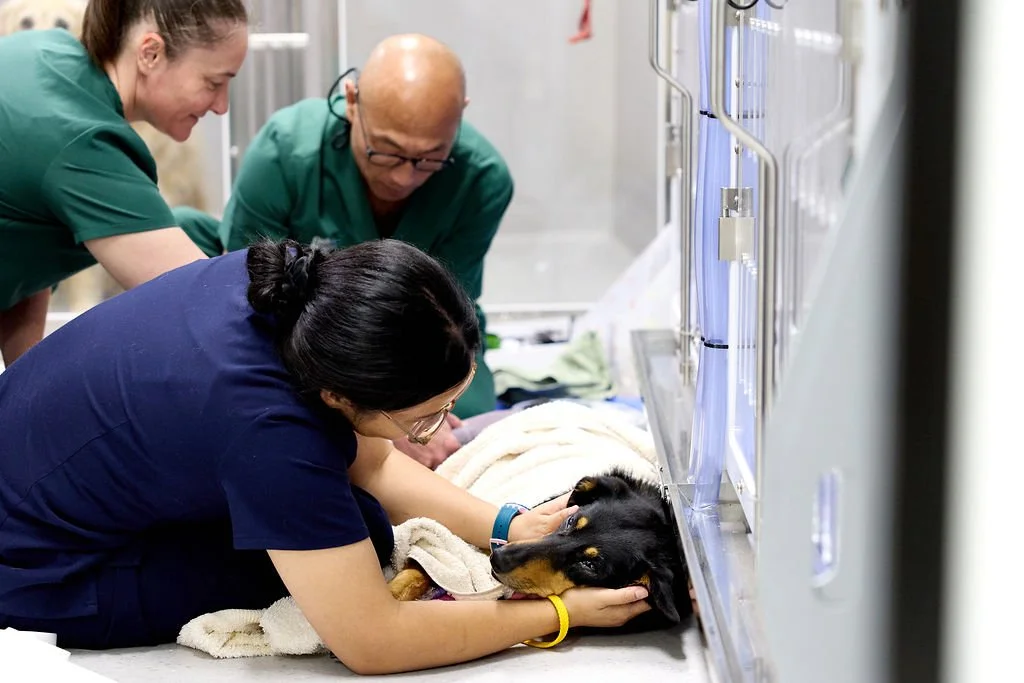
The unique advantage of Cedar Mountain Vet Referral is that a specialist surgeon, who performs surgeries, also perform rehabilitation. The surgeon who knows what he has done fully understands what to emphasize and what not to manipulate.
Rehabilitation with appropriate modalities can treat patients with osteoarthritis. It has been successful using shockwave therapy, laser, manual therapy and underwater exercises. We are able to reduce or even stop medications. Osteoarthritis can be managed without NSAIDs and pain killers.
Shockwave therapy is particularly useful postoperatively for fracture repair and TPLO (encourage healing of osteotomy, preventing patellar tendon thickening, better weight bearing) as well as maintaining joint health and pain relief, various tendinopathy, lumbosacral disease, focal or generalised osteoarthritis. 64% of patients with lameness caused by shoulder pathology did well with shockwave therapy in one study.
Shockwave therapy reduces chronic pain by decreased production of substance P. Shockwave therapy is recommended osteoarthritis, tendon, ligament/muscle healing, degenerative lumbosacral stenosis (Cauda Equina Syndrome), fracture/osteotomy healing, myofascial pain/trigger points, and dermatologic issues (chronic nonhealing wounds).
Underwater Treadmill:
Underwater treadmill is gaining more popularity in canine rehabilitation. There is no doubt that this modality is excellent and accelerate functional recovery of selected patients. However, appropriate use of the modality is crucial for earlier and safe recovery of every patient.
Advantages:
The hydrostatic pressure of water reduces swelling and inflammation, which can help alleviate pain. This is particularly beneficial for dogs with osteoarthritis and patients recovering from orthopaedic surgeries
Buoyancy of water reduces body weight to bear, helping to maintain active joint range of motion without fully loaded in joints
Water resistance to build muscles
Weight management is easier as calory spending under water is higher than land exercise
Disadvantages:
Some patients may not tolerate with water
Treating to target specific muscles is not possible in the underwater treadmill
It is hard to correct abnormal gait in the underwater treadmill
Contraindicated in patients with open wounds, skin disease, gastrointestinal disorder (vomiting or diarrhea).
Patients may not be ready for underwater training if weakness is significant. A proper strengthening of the muscles will be recommended prior to underwater treatment.